
Need a Wedding Chimney sweep? Request a call back!
Lucky Wedding Chimney Sweep!
The tradition in the UK and all over Europe is having a chimney sweep at your wedding! Need a wedding chimney sweep? Call now for a free quote for your big day!

A Chimney Sweep saved the life of King George II
The tradition dates back to 1730, when a horse and carriage was travelling down a small street. The horse for some unknown reason got spooked and decided to bolt.
All the people ran to avoid the horses, but a courageous chimney sweep stood ground. Armed with his brush and rods, he managed to calm the horses and saved the life of the rider. Satisfied the horse and carriage were safe, the sweep went about his day. That rider was King George II.
The next day, King George II decided to track down the hero, asking the people who had saved them. They revealed their local chimney sweep!
The king decided to invite the chimney sweep to his daughters upcoming wedding. It was there that the kind annouced that by royal decree, chimney sweeps everywhere were the bearers of good luck and to be regarded with the greatest respect.
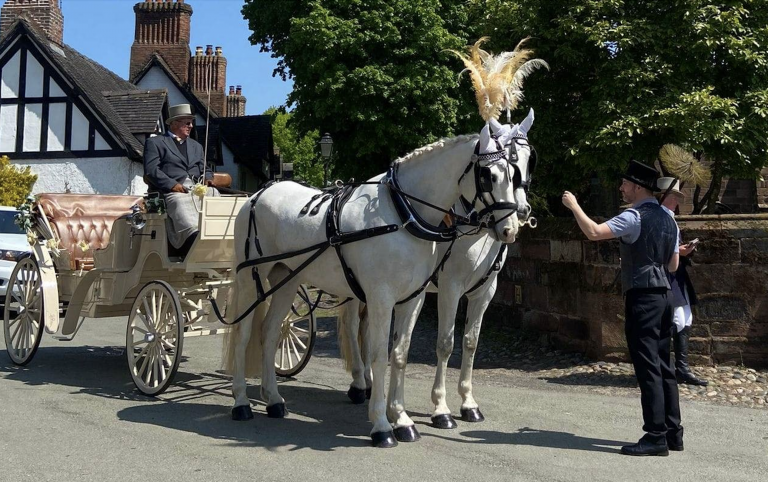
The Tradition of Having a Chimney Sweep at Weddings: Symbolism and Cultural Significance
The Tradition of Having a Chimney Sweep at Weddings: Symbolism and Cultural Significance
While the specific origin of this tradition lacks definitive historical documentation, it has been deeply ingrained in folklore and cultural customs, primarily in England during the 18th and 19th centuries. Additionally, the belief that encountering a chimney sweep on a couple’s wedding day brings blessings and wards off misfortune. Although sources referencing this tradition may vary, its enduring presence in folklore and its portrayal in literature contribute to its cultural relevance.
Symbolism of Chimney Sweeps:
Chimney sweeps, historically young apprentices who cleaned chimneys, became associated with various symbolic meanings. In the context of weddings, they were seen as harbingers of luck, prosperity, and fertility. The act of a chimney sweep clearing away soot was metaphorically linked to the notion of cleansing and purifying, signifying the removal of bad luck or negative energies from the couple’s life.
Beliefs and Superstitions:
The presence of a chimney sweep at a wedding was believed to bring blessings and protect the couple from misfortune. The origins of these beliefs may be rooted in the cultural perception of chimney sweeps as individuals who could navigate tight spaces and escape danger. By having a chimney sweep present, the couple sought to safeguard their marriage against evil spirits and ensure a prosperous and harmonious future together.
Cultural Variations and Adaptations:
While the tradition of having a chimney sweep at weddings primarily gained prominence in England, its popularity spread to other countries and regions over time. Each cultural context may have adapted the tradition to align with their specific beliefs and customs. As a result, variations in the specific rituals or symbolism associated with chimney sweeps at weddings can be observed.
Cultural References and Literary Works:
The tradition of chimney sweeps at weddings has found its place in literature, poems, and plays, which have further contributed to its cultural significance. Renowned authors, such as Charles Dickens, have portrayed chimney sweeps in their works, reflecting the societal perception and cultural associations surrounding these individuals. These literary references have perpetuated the symbolism and romanticized notions tied to chimney sweeps.
- Charles Dickens: The renowned English author Charles Dickens, known for his vivid descriptions of Victorian society, featured chimney sweeps in some of his works. In his novel “Oliver Twist,” the character of the young chimney sweep known as “The Artful Dodger” plays a prominent role. The character, while not directly associated with weddings, exemplifies the image of chimney sweeps prevalent during the era.
In Dickens’ semi-autobiographical novel “David Copperfield,” the protagonist, David, is briefly employed as a young chimney sweep. Through his portrayal of the hardships and challenges faced by chimney sweeps, Dickens shed light on the social issues surrounding their profession.
Popular Songs and Rhymes: Chimney sweeps and their association with weddings have also been immortalized in popular songs and rhymes. One such example is the well-known nursery rhyme “The Chimney Sweeper” or “The Chimney Sweep’s Boy.” The rhyme often narrates the tale of a chimney sweep and his adventures, capturing the imagination of children and keeping the imagery of chimney sweeps alive in popular culture.
Visual Arts and Illustrations: The romanticized image of a chimney sweep at a wedding has been depicted in various forms of visual art, including paintings, illustrations, and postcards. Artists have often portrayed chimney sweeps in their traditional attire, including the iconic black suit and top hat, interacting with newlyweds or bringing good luck to the couple. These visual representations have further contributed to the cultural perception and aesthetic appeal of the chimney sweep tradition at weddings.
Theatrical Performances: The tradition of chimney sweeps at weddings has also made its way onto the stage. In theater productions, chimney sweep characters have been included to add charm, comedy, or symbolism to wedding scenes. Their presence and interactions with the couple or other characters on stage often reinforce the notion of good luck and blessings associated with chimney sweeps.
These cultural references and literary works have not only preserved the tradition but have also added depth and richness to the folklore and symbolism surrounding chimney sweeps at weddings. They have kept the tradition alive in the collective imagination, contributing to its continued fascination and adoption in modern wedding ceremonies.